

Do SI Belts, Belly Bands, and Pelvic Supports Actually Help?
A Functional Guide for Women’s Health, Pregnancy, and Postpartum
Do SI Belts, Belly Bands, and Pelvic Supports Actually Help?
If you’ve ever felt that deep, aching pull through your low back…
or a sense of instability in your pelvis…
or even that sharp, sudden sensation often called “lightning crotch”…
you may have been told to try a support belt.
And while these are often marketed toward pregnancy and postpartum, this kind of discomfort isn’t limited to those seasons of life.
I see it all the time in women who are active, who work out regularly, who take Pilates or yoga classes, who are doing all the “right” things—and still don’t feel quite right in their bodies.
So let’s talk about what these belts actually do, and where they fit into the bigger picture.
This Is Personal for Me
This is a subject close to my heart.
During my own pregnancies, I experienced significant pelvic girdle pain. It affected how I walked, how I moved, how I lived in my body day to day. And even after birth, I could feel that something had shifted.
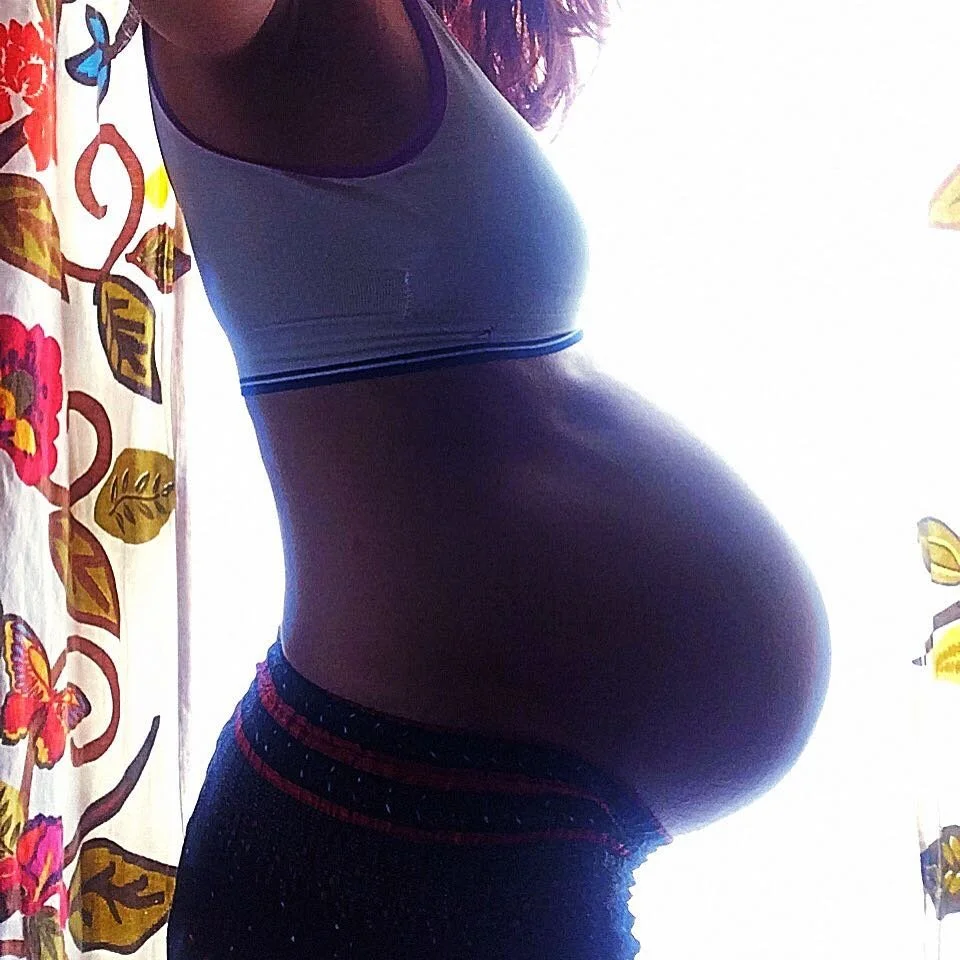
Because once the pelvis has been affected by pregnancy and birth, it is, in many ways, forever changed.
Not in a broken way—but in a way that requires a different kind of awareness and support.
Some people understand this through a different experience—like spraining an ankle. Once it’s been sprained, it’s often more susceptible. It asks for more attention, more care, more intentional movement.
The pelvis can be similar.
This Might Sound Familiar
Have you ever been in a yoga or fitness class and felt a twinge in your low back…
only to notice it lingering the next day?
Or maybe your hips felt off after class in a way that didn’t quite make sense.
Have you ever had to step out mid-class to use the bathroom?
Or experienced that moment in a pose where air shifts in the vaginal canal—something completely normal, but often surprising and, for many, a little embarrassing?
Have you ever felt like you couldn’t quite engage your core…
like your midsection just isn’t responding the way you expect it to?
Maybe planks or arm balances feel inaccessible—not because you’re not strong, but because something isn’t connecting.
Or you’ve noticed a sense of heaviness or pressure in your pelvic floor during or after movement.
For some women, it even shows up as a tampon not staying comfortably in place during exercise.
These are more common experiences than most people realize.
They just aren’t often talked about openly.
And they don’t mean you’re doing something wrong.
They’re often signals—subtle (or not so subtle)—that your body is asking for a different kind of support.
What These Belts Actually Do
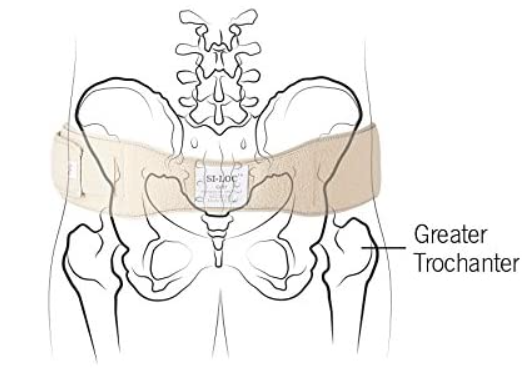
SI belts, belly bands, and postpartum binders offer external support. They gently compress and stabilize the pelvis, which can reduce strain and create a sense of steadiness.
For many women, that relief is immediate.
There can be less pulling through the ligaments, less fatigue in the muscles trying to hold everything together, and more ease when walking or standing.
And that matters.
Feeling supported changes how we move.
And how we move influences how we heal.
Why Relief Doesn’t Always Last
But here’s where things get more nuanced.
A belt can support the structure, but it doesn’t change how the system is functioning underneath.
Many of the symptoms women experience—low back pain, pelvic discomfort, leaking, heaviness—aren’t simply a result of weakness.
They’re often connected to how the body is coordinating.
How breath is moving.
How pressure is being managed.
How the diaphragm, core, and pelvic floor are working together… or not.
This is why it’s entirely possible to be strong, to work out regularly, to attend yoga classes—and still feel discomfort or disconnection.
Sometimes women leave those spaces feeling more pressure downward, more tension, or even noticing symptoms like leaking that weren’t there before.
Not because they’re doing something wrong.
But because this layer of awareness is often missing.
A Gentle Invitation to Be Discerning
It’s also worth saying that not every class marketed toward women—or even toward moms—is necessarily designed with these needs in mind.
Being able to bring your baby, or having childcare nearby, can be incredibly supportive. But it doesn’t always mean the movement itself is addressing pelvic floor health, core coordination, or the unique changes that come with pregnancy and postpartum.
The good news is that more and more teachers and practitioners are seeking out education in women’s health. That’s a beautiful shift, and one that benefits all of us.
At the same time, as these conversations become more visible, it can be helpful to stay curious about who you’re learning from.
Not from a place of judgment—but from a place of care for your own body.
You deserve guidance that is informed, experienced, and attuned to the nuances of how women’s bodies function and change over time.
Because this work is subtle.
And it’s meaningful.
Where a Belt Can Be Helpful
Used with intention, a belt can be incredibly supportive.
It can offer a sense of containment during a long day on your feet.
It can reduce discomfort during a flare-up.
It can provide stability in early postpartum when everything still feels a bit unfamiliar.
In many ways, it gives the body a signal of safety.
And when the body feels safe, it can begin to reorganize and respond more efficiently.
And Where It Falls Short
At the same time, a belt isn’t meant to do all the work.
Wearing one all day, every day without addressing what’s happening underneath can sometimes lead to more reliance on external support, rather than rebuilding internal support.
The goal isn’t to remove the belt.
It’s to understand how to use it as one piece of a much larger picture.
What Actually Creates Lasting Change
Lasting change tends to come from slowing down and tuning in.
From reconnecting breath with the pelvic floor.
From noticing how you move through your daily life—getting out of bed, lifting, walking, standing.
From building a kind of stability that is responsive, not rigid.
This isn’t about pushing harder or doing more.
It’s about becoming more at home in your body.
A Space for This Work
This is why I offer Women’s Health + Prenatal Yoga.
It’s not just for pregnancy.
It’s for any woman who wants to feel more connected, more supported, and more at ease in her body.
A space to slow down.
To listen.
To rebuild from the inside out.
For many, it becomes a complement to the workouts they already love.
A place where the pieces start to come together.
If You Want to Go Deeper
If this resonates, I’ve written more detailed articles exploring specific types of pain and support:
Belly Bands, SI Belts & Postpartum Binders
https://www.annecatherineyoga.com/blog/belly-bands-si-belts-postpartum-bindersLow Back Pain, Pregnancy & Pelvic Girdle Support
https://www.annecatherineyoga.com/blog/low-back-pain-pregnancy-pelvic-girdle-supportGroin Pain + “Lightning Crotch” Explained
https://www.annecatherineyoga.com/blog/groin-pain-lightningcrotch-pregnancy
A Final Note
If your body has been asking for something different…
more support
more understanding
more connection
you’re not imagining it.
There is another way to approach this.
And it begins by listening.
This article is for educational purposes only and is not medical advice. Always consult your healthcare provider regarding questions about breastfeeding, nutrition, postpartum recovery, or your individual health. If you found this article helpful, you're welcome to share it. If you're sharing it with clients or students, please credit Anne Catherine Yoga. In the spirit of yoga, we practice both ahimsa (non-harming) and asteya (giving proper attribution to the work of others).
